Case Studies

Real Indian businesses, real problems and measurable outcomes. Each case study shows the original challenge, the intervention, the result and the lesson you can apply to your own business.

Proof, not promises

These are Indian businesses that faced a specific problem, took a deliberate approach and produced a measurable result. Some are decades old, some are recent — all of them show what disciplined entrepreneurship, planning, finance and mission-driven models can achieve.

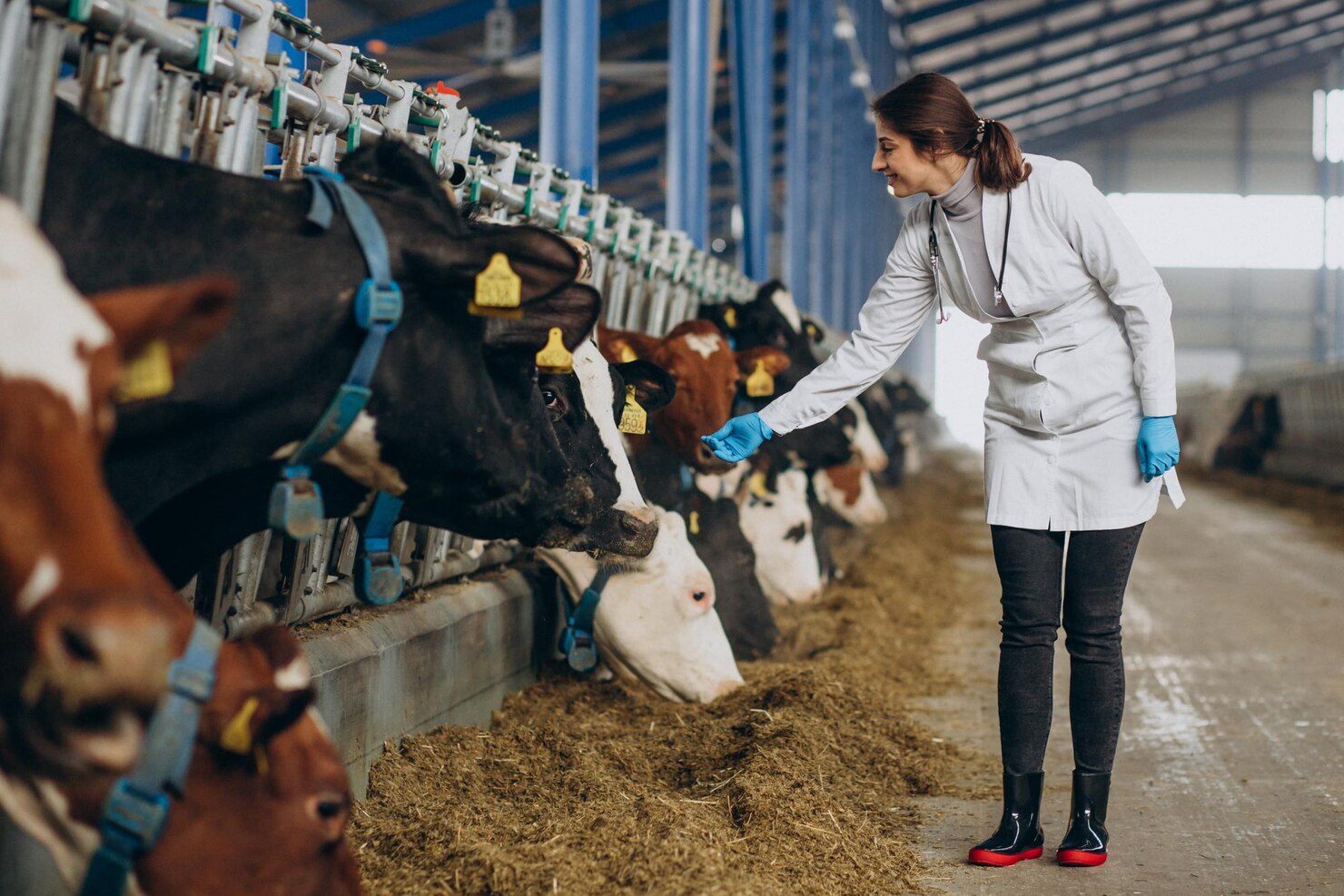
Amul dairy cooperative farmers and milk collection Entrepreneurship

Amul

Dairy cooperative · Gujarat

Problem

Dairy farmers in Gujarat were exploited by middlemen who controlled pricing and market access, leaving producers with little bargaining power and unstable incomes.

Intervention

Farmers formed a cooperative with a three-tier structure (village societies, district unions, state federation), kept ownership with producers and returned 80% of revenue to farmers, backed by professional governance.

₹1 lakh cr

FY26 turnover

3.6 mn

farmer members

221 mn t

India milk output (2021)

Lesson: Ownership structure is a growth strategy. When the people who create the value share in it, scale becomes sustainable.
Aravind Eye Care hospital performing high-volume eye surgery Social Enterprise

Aravind Eye Care

Eye care · Tamil Nadu

Problem

Preventable blindness was widespread among the poor, but eye surgery was unaffordable. Hospitals relied on charity and could not scale.

Intervention

Built a cross-subsidy model where one paying patient funds two free patients, combined with high-volume standardised surgery, in-house lens manufacturing and efficient clinical teams.

51%

surgeries free / below cost

33%

margin after subsidy

285

hospitals supported

Lesson: Cross-subsidy can be a financial engine, not a charity stopgap. Design the paying tier deliberately to fund the mission tier.
SELCO solar home system installed in a rural Indian household Social Enterprise

SELCO India

Solar energy · Karnataka

Problem

Around 44% of India lacked mains electricity. Solar systems existed but were too expensive for low-income households, and no financing was available.

Intervention

Tailored solar systems to each customer, partnered with local banks and microfinance institutions to offer affordable loans, and built local service centres for installation and after-sales support.

112k

solar systems (2009)

86%

cited energy cost savings

95%

loan repayment rate

Lesson: The barrier is rarely the product — it is the payment model. Design financing around the customer's cash flow, not the seller's.
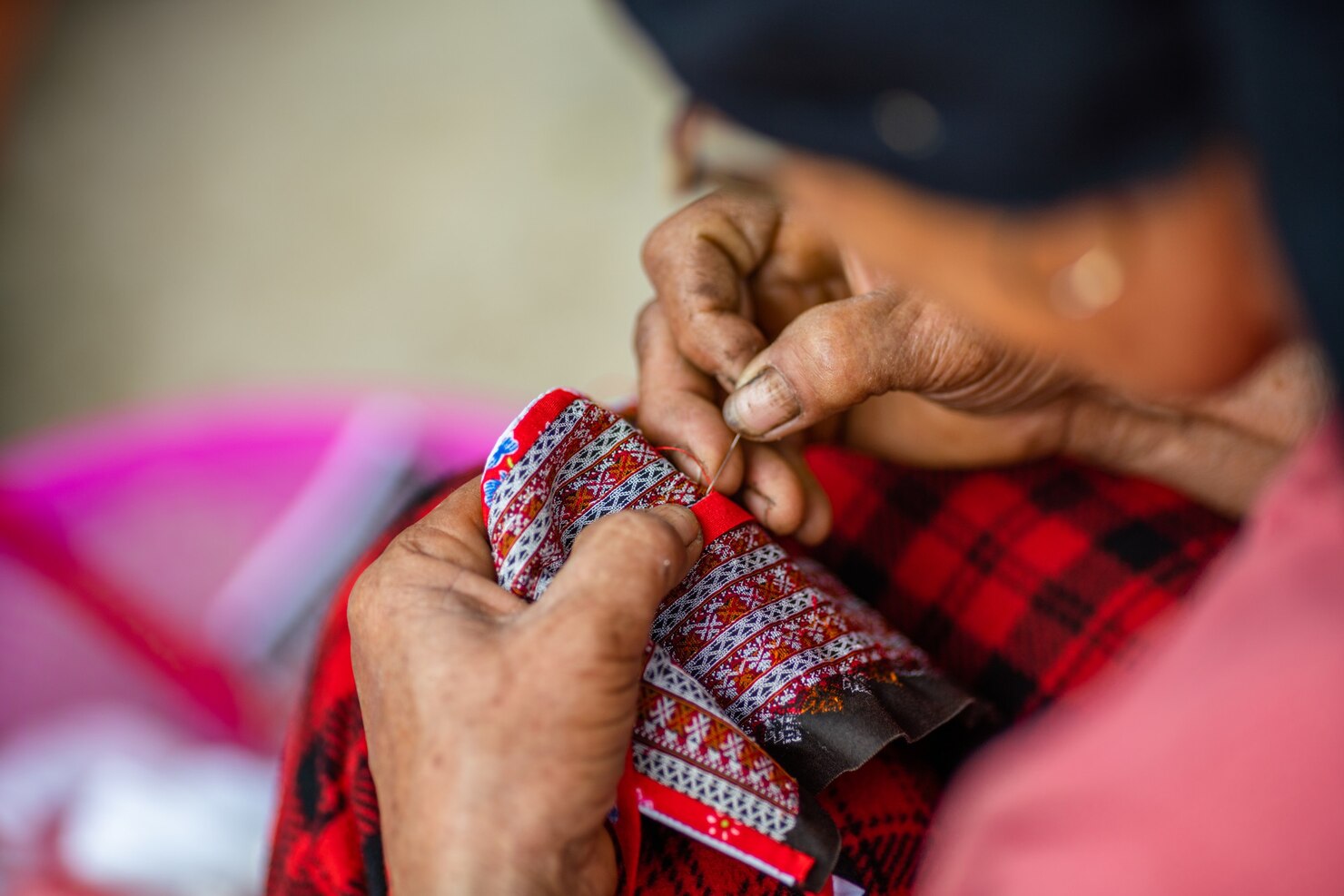
Fabindia handloom and handcrafted products and artisans Strategic Planning

Fabindia

Handloom retail · Pan-India

Problem

Rural artisans were disconnected from urban markets. Middlemen captured most of the value, supply was fragmented and quality was inconsistent.

Intervention

Built direct sourcing from craft-based micro-enterprises, then created Supplier Regional Companies (SRCs) where artisans became equity stakeholders, while standardising quality without erasing craft identity.

55,000

artisan stakeholders

13

international stores

1 mn+

micro-enterprise suppliers

Lesson: Supply-chain innovation can be the growth strategy. Decentralise ownership, not just sourcing.
Narayana Health hospital cardiac surgery team Strategic Planning

Narayana Health

Cardiac care · Bengaluru

Problem

Cardiac surgery was priced out of reach for most Indians. Hospitals served only the affluent, and costs were structurally high.

Intervention

Designed a high-volume, low-cost model: standardised surgical protocols, bulk purchasing, economies of scale and a three-tier pricing system where higher-paying patients cross-subsidise the rest.

~$2,000

open-heart surgery

19

hospitals

>20%

EBITDA margin

Lesson: Cost innovation is a strategy, not a compromise. Standardise ruthlessly, then price in tiers.
Mechanised sanitation service entrepreneurs with a mini jetting machine Entrepreneurship

NAMASTE Group

Sanitation services · Nellore

Problem

Four sanitation workers wanted to move from manual work to mechanised services, but could not afford the equipment individually and had no access to finance.

Intervention

Formed a group enterprise, secured a bank loan plus capital subsidy under the Swachhta Udyami Yojana, bought a mini jetting machine, and secured a long-term hiring contract from the municipal corporation.

₹37k

monthly income each

₹78.5k

monthly hiring revenue

₹35.85L

project cost

Lesson: Asset-heavy entrepreneurship can work through collective ownership and assured offtake. De-risk the first purchase.
Domino's Pizza storefront and delivery operations in India Strategic Planning

Domino's Pizza

QSR · Pan-India

Problem

Customers were publicly criticising the quality of its pizzas. The brand could either defend itself or take the criticism seriously — and risk its reputation if it got the response wrong.

Intervention

Listened to the feedback, acknowledged the criticism publicly and reworked recipes and quality standards — turning a complaint cycle into a structured product- improvement loop rather than a defensive marketing exercise.

2,000+

stores in India

#1

pizza chain in India

29 yrs

operating in India

Lesson: Customer feedback, taken seriously, is a product roadmap. The brands that listen fastest are the ones that compound trust.
Reliance Jio telecom tower and mobile data infrastructure Strategic Planning

Reliance Jio

Telecom · Pan-India

Problem

Before 2016, mobile data in India was expensive relative to incomes. Most users stayed on voice-only plans, and digital adoption was slowed by the cost of getting online.

Intervention

Entered with free introductory voice and data, then kept data pricing dramatically lower than incumbents — forcing the whole market to reprice and pulling hundreds of millions of users online for the first time.

100 mn

subscribers in ~6 months

~90%

fall in data prices

450 mn+

subscribers today

Lesson: A pricing decision is a market-creation decision. Make the category radically more affordable, and you grow the whole pie — not just your own share.